


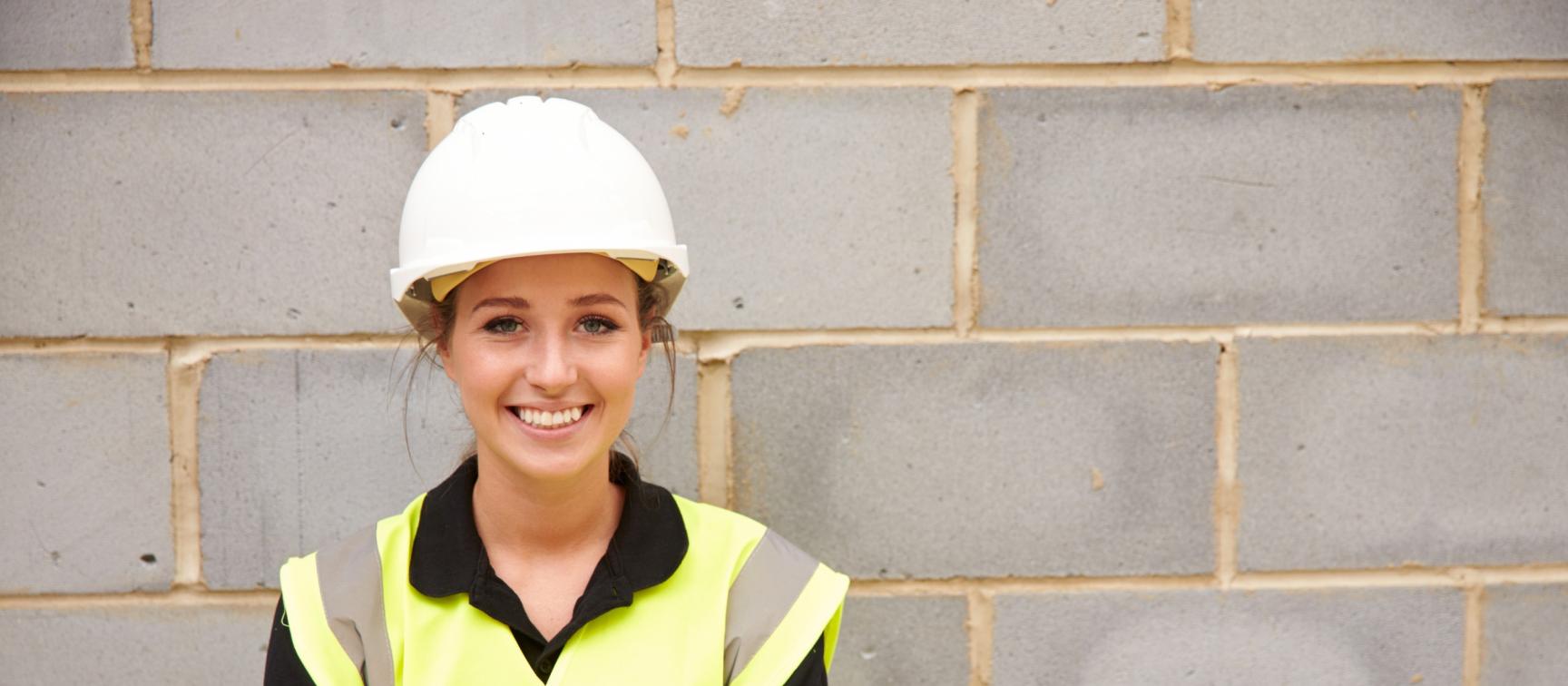
Women in Construction 2026: Progress, Opportunities and the Road Ahead
As Women in Construction Week 2026 approaches, it is a good time for the UK construction industry to reflect on progress while recognising there is still work to do.
Construction has traditionally been a male dominated industry. However, the picture in the UK has been slowly changing. According to data published by the Office for National Statistics, women account for a growing proportion of the construction workforce, although the sector still sits well below the national average for female participation across all industries.
Where Things Stand in 2026
Women currently represent around 15 percent of the UK construction workforce, which is an improvement on figures from a decade ago but still highlights how male dominated the sector remains.
The Chartered Institute of Building continues to highlight that women remain significantly underrepresented in site based and manual roles, with particularly low participation across skilled trades. Chartered Institute of Building
Research from Go Construct shows that female participation is stronger among new entrants into professional and technical roles such as project management, surveying and engineering, reflecting the routes many women take into the industry through education and graduate pathways. Go Construct
Industry commentary from Construction Management also shows that construction continues to lag behind other sectors when it comes to gender balance, particularly at leadership level. Construction Management
Why Greater Participation Matters
The UK construction sector continues to face well documented skills shortages across housing, infrastructure, energy and utilities projects. Industry bodies and workforce organisations regularly highlight concerns around labour availability and long term workforce sustainability. Construction Industry Helpline
Attracting more women into construction is not just about equality. It is about widening the talent pool, strengthening project delivery and ensuring businesses have access to the skills they need to grow in 2026 and beyond. More balanced teams also bring a broader range of perspectives, which can improve collaboration, decision making and outcomes on live projects.
Barriers That Remain
Despite progress, several barriers continue to limit female participation in construction. Site environments have historically been designed around male workforces, from welfare facilities through to PPE sizing. While many employers have made improvements, creating genuinely inclusive site environments remains an important area of focus.
Perceptions also play a role. Construction is still often viewed by young women as a less accessible career option, which influences subject choices and training routes at school and college level. Changing these perceptions requires long term engagement with education providers and early careers initiatives.
Career progression remains another challenge. Although the UK gender pay gap has narrowed overall, construction continues to report a wider gap than many other sectors, largely due to lower representation of women in senior and specialist leadership roles. UK Government Gender Pay Gap Service
Positive Trends
There are encouraging signs across the industry. More women are entering professional roles across commercial, technical and operational functions, including surveying, planning, customer care and project coordination. Employers are also placing greater emphasis on early careers pathways, apprenticeships and graduate programmes to attract a broader mix of talent. CITB Go Construct
Industry led initiatives and employer programmes are helping to raise awareness of construction as a viable and rewarding career choice for women, particularly in roles that go beyond traditional perceptions of site based work.
Practical Steps Employers Can Take
Employers making genuine progress with gender diversity tend to focus on practical action rather than policy alone. This includes using inclusive recruitment practices, writing job adverts that focus on skills and potential, offering mentoring and development support, and creating workplace cultures that support retention through flexibility and fair progression opportunities.
These changes do not only benefit women. They contribute to healthier, more productive workplaces and help businesses retain good people in a competitive labour market.
How Approach Personnel Supports Inclusive Recruitment
At Approach Personnel, we work with construction employers across both trades and white collar roles to broaden talent pipelines and attract skilled professionals who might otherwise be overlooked. We support clients with inclusive recruitment approaches that focus on long term workforce sustainability as well as immediate project delivery requirements.
Looking Ahead to Women in Construction Week 2026
Women in Construction Week 2026 is an opportunity to recognise the progress that has been made while acknowledging the work that still lies ahead. Real change happens through consistent action across recruitment, training and workplace culture, not just during awareness weeks.
Whether you are an employer looking to strengthen your workforce or someone considering your next step within construction, this is a valuable moment to reflect on how the industry can continue to evolve in 2026 and beyond.
If you would like support attracting and retaining great people across the construction sector, Approach Personnel is here to help. Give us a call today - 0115 9003 171