


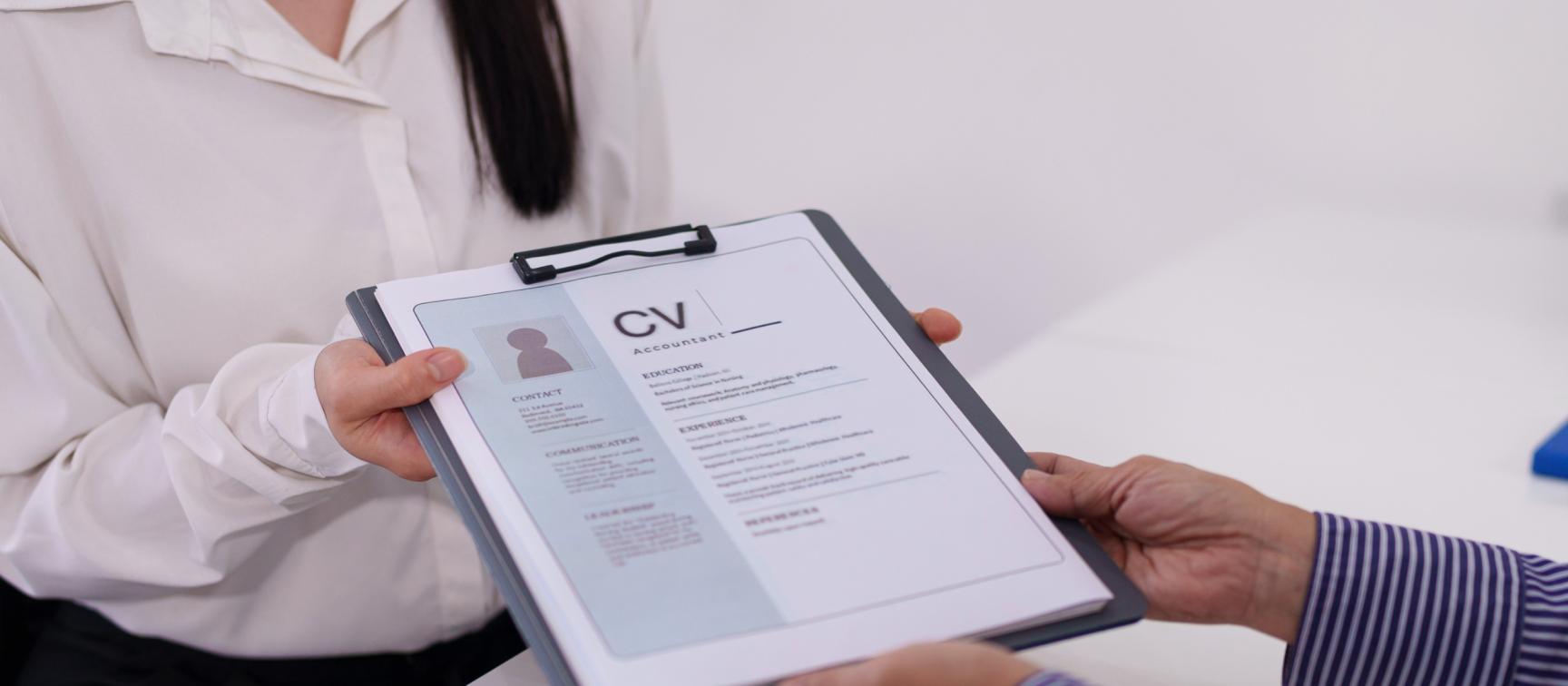
Expert Tips on Creating the Ultimate CV in 2026
The CV landscape has changed dramatically over the last few years – and in 2026, standing out requires far more than simply listing job titles and dates.
With employers receiving hundreds of applications for a single role, and recruitment technology playing a bigger part than ever, your CV needs to work hard in the first few seconds. As recruitment specialists working closely with hiring managers across the UK, we see first-hand what gets shortlisted – and what doesn’t.
Here are our expert tips on creating the ultimate CV in 2026.
Write for Humans and Hiring Technology
Most CVs in 2026 are first reviewed by Applicant Tracking Systems (ATS) before a recruiter ever sees them. That means clarity and structure are critical.
Top tips include using clear headings such as Profile, Experience, Skills and Qualifications, avoiding tables and text boxes that ATS systems struggle to read, incorporating role-relevant keywords taken directly from job descriptions, and sticking to a clean Word or PDF format.
A well-structured CV ensures you pass the system and make a strong impression when a recruiter opens it.
Lead with a Strong Personal Profile
Your personal profile is the most important section on your CV. In three to four lines, it should clearly explain who you are, what you specialise in, and the value you bring to an employer.
Generic statements like “hard-working team player” no longer cut it. Instead, focus on your sector or trade, your level of experience, and the strengths or outcomes you consistently deliver. Think of this section as your professional elevator pitch.
Focus on Achievements, Not Just Duties
One of the most common CV mistakes we still see is long lists of responsibilities with no outcomes attached.
In 2026, employers want evidence. Rather than stating that you were responsible for managing site labour, explain how many operatives you managed, how you improved productivity, reduced downtime, hit programme deadlines or added value.
Where possible, include results, improvements, cost savings, productivity gains or targets achieved. Numbers and outcomes make your experience credible and memorable.
Keep It Concise
Attention spans are shorter than ever and most CVs are scanned in under ten seconds.
As a general rule, two pages is ideal for most professionals, with three pages reserved only for senior or highly technical roles. Recent experience should take priority, and roles from more than ten to fifteen years ago can usually be summarised briefly.
Skills Sections Matter More Than Ever
With skills-based hiring continuing to rise, your skills section is no longer optional.
Where possible, separate technical skills, systems or software, certifications or cards, and soft skills. Soft skills should be used sparingly and supported by real examples in your experience.
A clear skills section helps recruiters quickly assess your suitability for specific roles.
Tailor Your CV for Each Application
A one-size-fits-all CV is one of the fastest ways to be overlooked.
Tailoring your CV in 2026 does not mean rewriting it from scratch. It means adjusting your personal profile, highlighting the most relevant skills, reordering experience where necessary, and using keywords that reflect the job you are applying for.
Even small adjustments can significantly improve your chances of being shortlisted.
Include Qualifications and Compliance Clearly
For construction, industrial and manufacturing roles in particular, compliance information is essential.
Make it easy for recruiters to see your qualifications, tickets or cards, expiry dates where relevant, and right-to-work status where appropriate. Missing or unclear compliance information is one of the most common reasons CVs are delayed or rejected.
Keep the Design Clean and Professional
Modern CVs should be clean and easy to read, not overly designed.
Best practice in 2026 includes using black or dark grey text on a white background, consistent formatting and spacing, no photos unless specifically requested, and avoiding logos, icons or excessive styling.
Your CV should look professional and focused, not distracting.
Align Your CV with LinkedIn
Employers will often check your LinkedIn profile alongside your CV, so consistency matters.
Ensure job titles and dates match, your LinkedIn headline supports your CV profile, and your experience tells the same story across both platforms. Inconsistencies can raise unnecessary questions.
Get Expert Feedback Before You Apply
The strongest CVs are reviewed by people who understand the market.
A recruiter working directly with hiring managers can advise on what employers actually care about, what to remove, what to emphasise, and how to position your experience competitively.
Your CV is not just a summary of your past – it is a marketing document for your future.
In a competitive 2026 job market, the most effective CVs are clear, targeted, results-focused and written with both technology and people in mind.
If you’re unsure whether your CV is working as hard as it should, the team at Approach Personnel are always happy to offer expert guidance and honest feedback.